- →Week one earns near zero for almost everyone. Quitting there is why most beginners fail
- →You're paid for approved clips that clear a view threshold, not for posting. Read the brief twice
- →Standard CPM is $1–$3 per 1,000 views. A 3,000-view clip earns about $6–$9
- →Niche caps your ceiling. Finance and SaaS clips pay 2–3x more per view than lifestyle
- →The skill you build clipping transfers directly to original performance content, where pay per view is higher
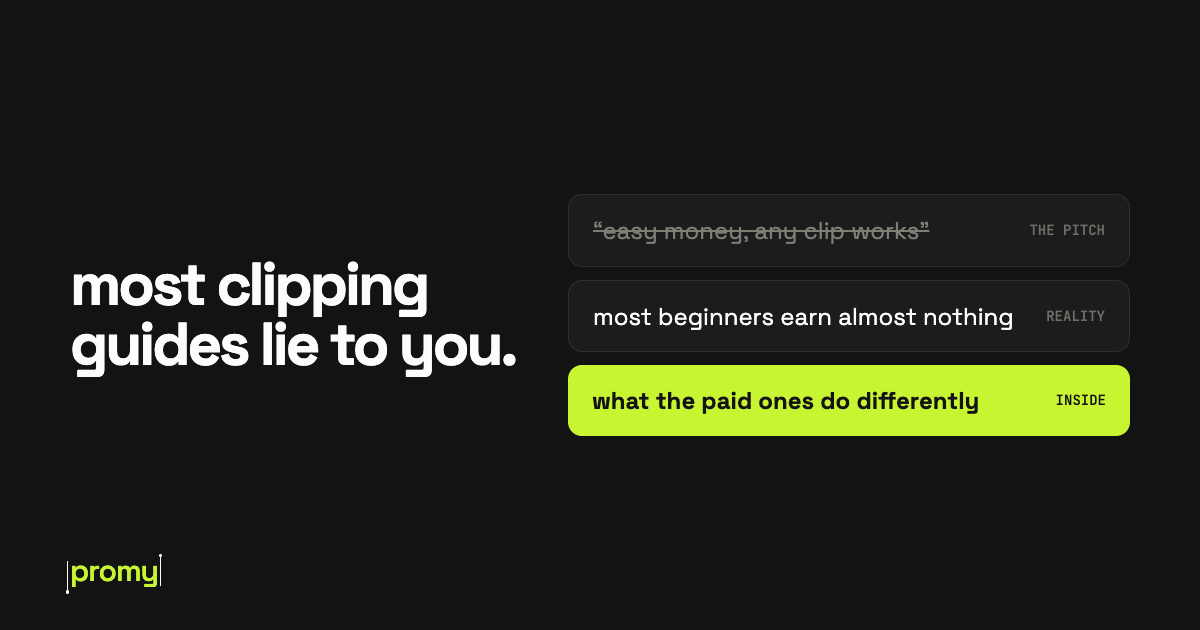
Every clipping guide online tells you the same fairy tale: sign up, post a few clips, make $500 in your first month. It's a lie, and it's the reason most people who try clipping quit after two weeks with nothing to show for it.
Here's the honest version. Clipping is real, some people genuinely make thousands a month, and you don't need followers to start. But the gap between "posting clips" and "getting paid" is much wider than anyone selling you a course admits. This post is about what actually happens in that gap, and how to land on the right side of it.
What Clipping Is (Quickly)
You take someone's long-form content (a podcast, a stream, a brand's raw footage), cut out the best 15 to 60 seconds, add captions, post it to your own TikTok or Reels account, and earn based on verified views. The brand or creator funds a campaign with a per-view rate, the platform tracks your views, and you get paid.
No camera, no face, no following. That part is true. Now here's the part the guides skip.
The Honest Earnings Reality
Let me correct the fantasy math you've seen everywhere. Here's what actually happens by stage:
| Stage | Reality | Actual monthly earnings |
|---|---|---|
| Weeks 1–3 | Learning what performs. Most clips get a few hundred views and earn cents. | $0–$30 |
| Month 1–2 | You've found a format that works, clips occasionally break 20K+ views. | $50–$300 |
| Month 3–6 (consistent) | Multiple campaigns, batch workflow, one or two clips regularly go semi-viral. | $500–$2,500 |
| Full-time (6+ months) | 50+ clips/month, multiple accounts, high-CPM niches. | $3,000–$10,000+ |
Notice week one is basically zero. That's not a failure, that's the normal starting point. The people who post 8 clips, earn nothing, and conclude "clipping is a scam" quit exactly when the learning curve was about to pay off.
The single most important number here: a clip that gets 3,000 views earns you roughly $6 to $9. Most of your early clips will land there. You don't get paid for the effort of clipping. You get paid only when a clip actually pulls views, and most of your first clips won't. That's the game.
Why Most Beginners Earn Nothing (The Stuff Guides Hide)
This is the part that actually matters, because it's where the money leaks out.
1. The "posted vs approved" gap
You don't get paid for posting a clip. You get paid for a clip that passes the campaign's review AND pulls views. Every campaign has a brief: exact source material, duration limits, required captions, hashtags, accounts to tag, brand-safety rules. Miss one requirement and the clip is rejected, earning zero regardless of how many views it got. The number-one reason beginners make no money isn't bad editing. It's skipping a line in the brief.
2. Minimum view thresholds
Many campaigns don't pay on a clip until it crosses a minimum (often a few thousand views, sometimes more). Clips below that threshold earn nothing at all, not a reduced amount, nothing. So the wall of 800-view clips a beginner produces while learning are literally worth $0, even in aggregate.
3. View-fraud detection kills shortcuts
Platforms verify views through official APIs or scraping services with fraud detection. If you're tempted to buy views to clear a threshold, don't. Inflated counts get flagged and voided, and you can get removed from campaigns. Only real views from real people pay.
4. CPM rates are lower than the screenshots suggest
The viral "I made $10K" screenshots are almost always from high-budget music or finance campaigns at the top of the range. Standard campaigns run $1 to $3 per 1,000 views. At $2 CPM, a clip needs 500,000 views to earn $1,000. Most clips never sniff that. Your income comes from volume of decent clips, not one lottery-ticket viral hit.
5. The niche you pick caps your ceiling before you start
The same 2 million views earns about $400 in a lifestyle campaign and $1,200 in a finance campaign. Clippers who grind in general-content niches are working three times as hard for the same money as clippers in finance, crypto, SaaS, or gaming. Most beginners never think about this and wonder why their views don't convert to real income.
The Insight That Changes the Math: Approved Volume
Here's the reframe that separates people who earn from people who quit.
Beginners think the goal is "post a lot of clips." It isn't. The goal is approved clips that clear the view threshold. A hundred sloppy off-brief clips that get 500 views each earn you nothing. Ten tight, on-brief clips that each clear 30,000 views earn you real money.
So the actual skill in clipping isn't editing speed. It's two things: reading the brief so nothing gets rejected, and picking moments that will actually pull views. Everything else is secondary. Once you internalize that you're being paid for approved views, not posted clips, your whole approach changes. You slow down, you read the brief twice, you only clip moments with a genuine hook, and your effective earnings per hour jump.
What Actually Makes a Clip Pull Views
Since views are the only thing that pays, this is where your attention should go:
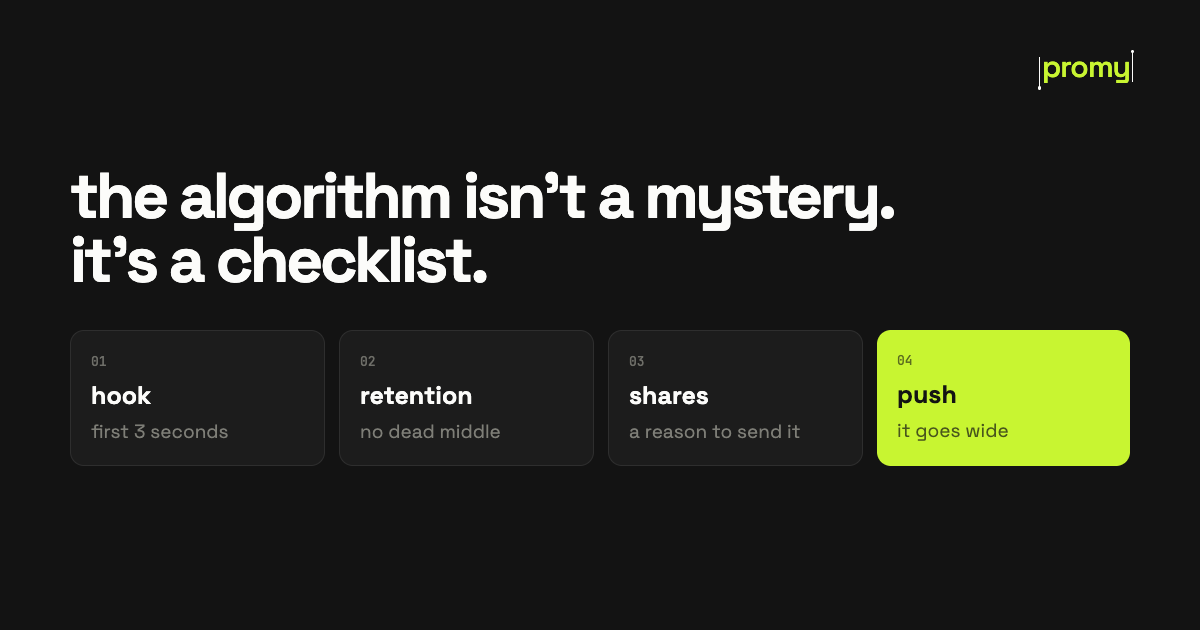
- →The first 1 to 2 seconds decide everything. Start at the peak moment, not the buildup. Cut straight to the payoff, fill in context after, loop or conclude. Under 45 seconds
- →Captions are non-negotiable. Most people watch on mute. No captions, no views, buried by the algorithm
- →Ride trend windows fast. When a sound or format is peaking, clips using it get boosted, but the window is 2 to 5 days. Speed beats polish
- →Cross-post the same edit. One clip, posted natively to TikTok, Reels, and Shorts, triples your view potential from a single piece of work
- →Volume, but only after quality. Once you've found a format that clears thresholds, then scale up. Volume before you know what works just multiplies rejected clips
Is It Worth It?
Honestly? For some people, yes. For most people who try it, no, because they quit during the three weeks where earnings are near zero.
Clipping rewards a specific kind of person: someone who can treat it like a skill to learn from data rather than a slot machine, who can stomach earning almost nothing while they figure out what performs, and who'll pick a high-CPM niche instead of clipping whatever's fun. If that's you, the economics genuinely work and the barrier to entry is basically a phone and CapCut.
If you need money this week, clipping is the wrong move. If you want to build a skill that compounds, understanding what makes short-form content get watched, it's one of the lowest-cost ways to learn it, and that skill is worth far more than the clipping income itself.
Where This Connects to Bigger Money
Here's the thing most clippers don't realize: the skill you build clipping (finding the hook, cutting for retention, reading a brief, knowing what pulls views) is the exact same skill that earns on original content, where the ceiling is much higher.
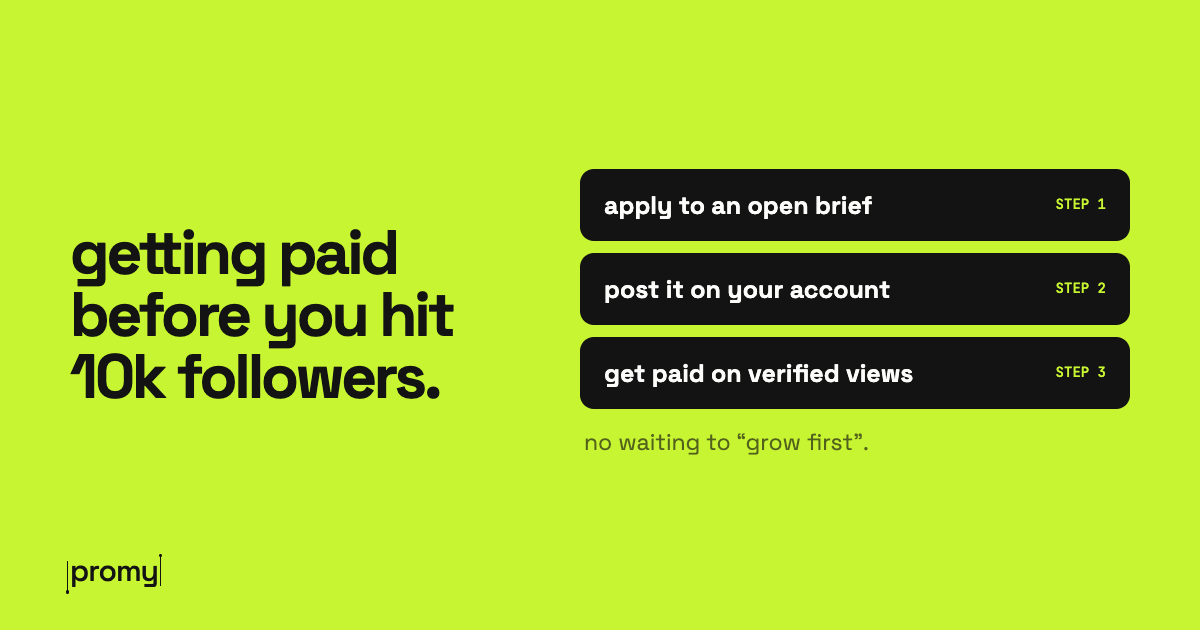
Clipping pays you for reposting someone else's moments. The next step up is getting paid to create original short-form content for brands, where you're not competing with a thousand other clippers on the same source footage. Performance-based platforms like Promy pay creators per verified view on original content they make for a brand campaign, no follower minimum, same core skill set. A clipper who's learned what makes a clip get watched already has the instinct that makes original branded content perform.
Plenty of creators run both: clip authorized content for per-view income while it's the fastest cash, and take on performance campaigns for original content where the pay per view is higher and there's less competition on the same footage. Same skill, two income streams, both paying for real performance instead of follower count.
The Bottom Line
Clipping isn't a scam and it isn't a gold rush. It's a skill with a brutal first month and a real payoff for the minority who push through it.
Ignore the "$500 in week one" guides. Expect near-zero while you learn, focus obsessively on approved clips that clear view thresholds, pick a high-CPM niche, and treat every clip as a data point. Do that for 60 days and you'll either be earning real money or you'll have built a content skill that pays off in every other creator income stream there is.
Start with one campaign and one niche. Post ten clips knowing most will earn nothing. Study the two that performed. That's the whole game.